
The Digital Arena Shaping Modern Gaming
Exploring the current landscape of online gaming platforms in 2025.


In the rapidly evolving world of gaming, 2025 has witnessed a significant shift towards specialized platforms that offer exclusive experiences to dedicated gamers. One such platform, known as 'vipph', has gained remarkable traction as it caters to the elite gaming community. This trend is indicative of a broader move towards personalized gaming experiences, fueled by advancements in technology and a growing demand for bespoke entertainment.
The vipph platform has positioned itself uniquely in the market by offering tailored gaming experiences that include exclusive content, early access to new releases, and enhanced interaction with game developers. This has not only set a new standard for what it means to be a gamer in 2025 but has also sparked discussions on how inclusive these experiences are.
As gaming technology continues to advance, the line between reality and virtual experiences blurs further. Virtual Reality (VR) and Augmented Reality (AR) innovations have enabled platforms like vipph to create immersive environments that were once the stuff of science fiction. Players can now step into fantastical worlds with lifelike detail, experiencing narratives in ways that were previously unimaginable.
This rise of VIP gaming is also having socio-economic impacts. While it opens new revenue streams and job opportunities in tech and creative sectors, it also raises questions about accessibility. As more resources are dedicated to developing high-end gaming experiences, there is a growing concern about the digital divide and the need to balance innovation with inclusivity.
Interestingly, vipph's approach has sparked a wider conversation about the direction of the gaming industry. While some applaud the premium experiences on offer, others criticize the potential for creating an increasingly fragmented community where only those with the means can enjoy the full spectrum of new gaming innovations.
Looking towards the future, the challenge for platforms like vipph will be to harness cutting-edge technology in ways that remain accessible and engaging for a broader audience. As 2025 progresses, the gaming industry will undoubtedly continue to be a dynamic landscape, pushing the boundaries of what is possible while striving to remain inclusive and community-focused.

If you're looking for a reliable, fully licensed, and secure sportsbook with a wide selection of games, vipph is the perfect choice. We're committed to providing you with the best online betting experience, with premium quality, excellent service, and continuous innovation. Sign up now and receive ₱777 for free!
Join now
Get the latest information, experience and betting strategies from the expert team at vipph.
Exploring the current landscape of online gaming platforms in 2025.

An overview of the latest trends shaping the online gaming industry in 2025.

Explore the shifting trends in online gaming and community dynamics in 2025, with a spotlight on the English game website, vipph.
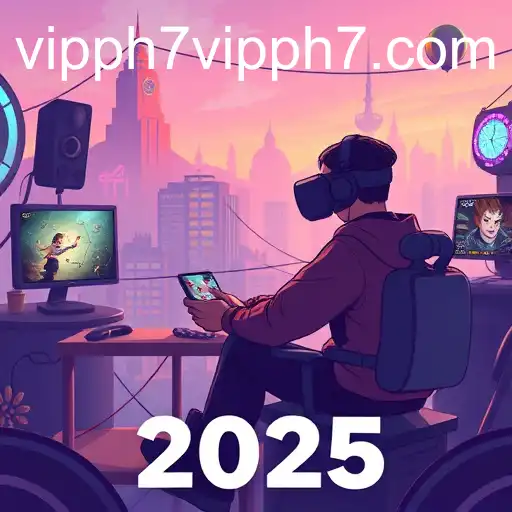
Explore how vipph has revolutionized the English gaming market in 2025.

Explore how the online gaming world is changing in 2025, with a focus on key trends and innovations such as the rise of virtual reality.

Vipph, a leading English game website, is making waves in 2025 by providing innovative and community-driven gaming experiences. Explore how this platform is changing the dynamics of online gaming.
 Join now